
DIY vs. Professional Torsion Spring Repair: What Homeowners Need to Know
No, torsion spring replacement is one of the few garage door repairs professionals consistently recommend against doing yourself, because a wound spring stores enough tension to lift a door that can weigh well over 100 pounds. Releasing that tension safely requires specific tools and technique that most online tutorials oversimplify. Blue Steel Garage Door Services replaces torsion springs throughout Pasco and Hillsborough Counties, and this guide covers exactly why the risk is real, what professional replacement involves, and the honest cost comparison.
Why Are Torsion Springs Genuinely Dangerous to DIY?
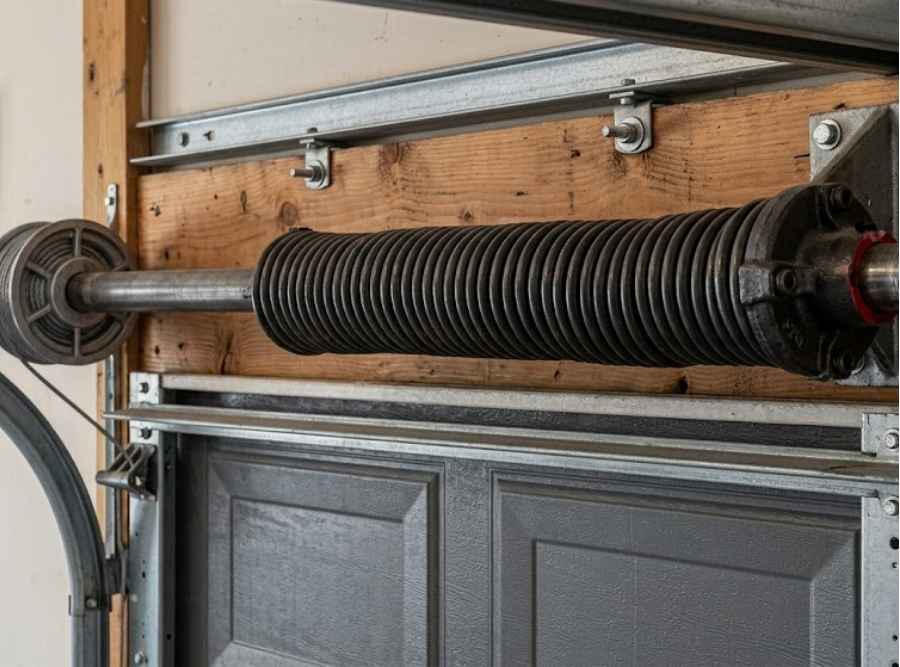
A torsion spring is wound tight enough to lift a door that can weigh well over 100 pounds, and all of that stored energy is held in place by two small winding cones. Releasing or adjusting that tension requires specific tools — winding bars, not screwdrivers or improvised substitutes and a technique that most online tutorials gloss over or oversimplify.
If a winding cone slips while under load, the bar can be thrown with enough force to cause broken bones, severe lacerations, or worse. This isn’t a manufacturer being cautious for liability reasons; it’s a well-documented injury risk in the trade, and it’s the one area where we draw a firm line with homeowners regardless of how confident they feel after watching a tutorial.
What Does Professional Torsion Spring Replacement Actually Involve?
A professional replacement isn’t just swapping the spring itself. It includes verifying the door’s weight to select a correctly rated spring — an incorrectly sized spring throws off balance immediately, even if the door still moves — a full balance test after installation, and checking or installing safety cables that run through the spring to contain it if it ever fails. Those safety cables are frequently missing or damaged on older doors, and it’s something we look at every time we’re already in there replacing a spring, rather than treating the spring as an isolated part.
How Do DIY and Professional Costs Actually Compare?
A DIY spring kit typically costs $50 to $100 for parts alone. Professional replacement generally runs $200 to $450 including labor, correct spring sizing, a post-installation balance check, and often a warranty on both the part and the labor. The price gap reflects the diagnostic and safety work bundled into the professional service, not just the physical spring — figures here are general industry ranges, not confirmed Blue Steel pricing.
When Is It Truly Not a DIY Job — and When Should You At Least Not Touch It?
Visually diagnosing a broken spring is safe and worth doing — a visible gap in the coil, or a door that suddenly feels far heavier to lift by hand with the opener disconnected, are both reasonable things to notice and report when calling for service. Where DIY should stop entirely is at the winding cones themselves. Loosening, tightening, or removing them without the right tools and training is where the real risk lives, regardless of how straightforward a video makes it look.
If a torsion spring has already broken, or the door suddenly feels far heavier than usual, Blue Steel Garage Door Services handles spring replacement throughout Pasco and Hillsborough Counties with correct sizing and a balance check included. The Garage Door Spring Repair page has more on what that visit typically covers.
Frequently Asked Questions About DIY vs. Professional Torsion Spring Repair
How much does professional torsion spring replacement typically cost?
Professional torsion spring replacement generally runs $200 to $450, including correct spring sizing for the door’s weight, installation, a balance check, and typically a labor and parts warranty. The exact price depends on door weight, spring type, and whether safety cables need to be added or replaced at the same time.
Can I at least confirm it’s the spring myself before calling a technician?
Yes, a visual check is safe. Look for a visible gap or separation in the spring coil, and notice whether the door suddenly feels much heavier when lifted manually with the opener disconnected. Both are strong indicators of a broken torsion spring and useful information to share when scheduling a repair, as long as the winding cones themselves are never touched.
How long do torsion springs typically last before needing replacement?
Most torsion springs are rated for roughly 10,000 to 15,000 open-close cycles, which generally works out to about 7 to 12 years for an average household, though usage frequency and climate both affect the actual lifespan. A technician can give a more specific estimate based on the spring’s condition and the household’s door usage.
Is it too late to fix a garage door once a spring has already broken?
No, a broken torsion spring is one of the most common repairs, not a sign the door needs replacing. As long as the tracks, cables, and panels weren’t damaged when the spring broke, replacing the spring and rebalancing the door typically restores normal operation.
