
How Long Do Garage Door Springs Actually Last in Dade City’s Inland Heat and Humidity?
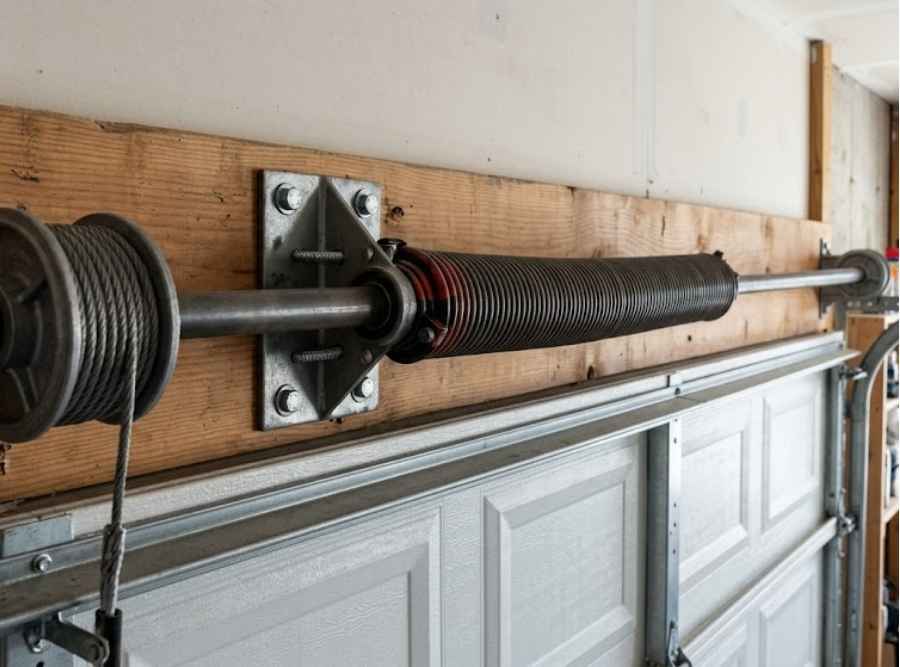
Torsion springs are typically rated for a set number of open-close cycles, which works out to roughly 7 to 12 years for an average household, though the exact number depends on the spring’s design, cycle rating, and actual usage. In an inland community like Dade City, heat and humidity cycling tend to affect that lifespan more than the salt-air corrosion that shortens spring life on Florida’s coast.
What Actually Determines How Long a Spring Lasts?
A torsion spring’s lifespan is rated in cycles, with one cycle being a single full open-and-close of the door, and that rating depends on the spring’s design and how it was sized for the door’s weight. A spring rated for 10,000 cycles used on a door that opens and closes four times a day works out to a different real-world lifespan than the same spring on a door used a dozen times daily, which is why a single universal number rarely applies across different households.
Installation quality matters as much as the rating on paper. A spring that’s slightly mismatched to the door’s actual weight carries more strain on every cycle than one that’s correctly sized, which can shorten its working life well below its rated cycle count regardless of how often the door is used.
Why Doesn’t Coastal Salt-Air Advice Fully Apply Here?
Most Florida garage door content about spring lifespan is written with coastal salt exposure in mind, since salt-laden air genuinely accelerates corrosion on exposed steel hardware along the coast. Dade City doesn’t have that specific exposure, being well inland, so springs here aren’t fighting the same corrosion mechanism that shortens spring life in Pinellas or coastal Hillsborough properties.
That doesn’t mean inland springs are immune to wear, just that the dominant factor is different. Treating Dade City hardware with the same salt-focused maintenance advice written for a coastal property misses what’s actually happening to the spring here.
What Actually Wears Springs Faster in an Inland Climate?
Heat and humidity cause repeated expansion and contraction in metal components, and that cycling can affect a spring’s tension and its surrounding hardware over time. Florida’s heavy, sudden seasonal rain also matters, since moisture that gets into a garage through normal daily use lingers longer in humid air than it would in a drier climate, creating more opportunity for rust on unprotected steel even without any salt involved.
A door that’s used heavily, or one where the springs were never quite matched correctly to the door’s weight in the first place, will generally show wear sooner than the rated cycle count would suggest, regardless of climate.
How Can You Tell When a Spring Is Getting Close to the End of Its Life?
A door that feels noticeably heavier when lifted manually with the opener disconnected, or an opener that seems to be working harder than it used to, are both reasonable early signals worth paying attention to. A visible gap or separation in the spring’s coil is a clearer sign, and at that point the safest move is having it evaluated rather than waiting for it to fail completely.
The Blue Steel Approach
Blue Steel Garage Door Services evaluates a spring’s actual condition and the door’s real usage pattern rather than applying a generic lifespan number pulled from coastal maintenance advice. An inland Dade City property and a coastal property can show the same complaint with different underlying wear patterns.
What This Means for an Inland Dade City Garage Door
If a door has started feeling heavier to lift, or the opener seems to be straining more than it used to, Blue Steel Garage Door Services can evaluate whether the spring is nearing the end of its working life.
Frequently Asked Questions About Garage Door Spring Lifespan in Dade City
Do torsion springs and extension springs last the same amount of time?
No. Torsion springs are generally rated for more cycles, often 10,000 to 15,000, than extension springs, which typically wear out faster. The type installed on a given door affects how long it can be expected to last under similar usage.
Can a spring’s lifespan be extended with regular maintenance?
Routine lubrication and periodic balance checks help reduce unnecessary strain, which can support a spring lasting closer to its full rated cycle count, though maintenance can’t extend a spring indefinitely past its designed lifespan.
Is it dangerous to keep using a door once a spring is worn?
A worn or damaged spring can fail unexpectedly, and a sudden spring failure while the door is in use is a genuine safety risk. A door that feels unusually heavy or shows a visible gap in the spring coil is worth having evaluated rather than continuing normal use.
Does humidity alone cause springs to fail, or does it just accelerate other wear?
Humidity itself doesn’t cause a spring to fail outright, but it contributes to rust and corrosion on unprotected steel, which can compound with normal cycle-based wear to shorten the spring’s effective working life.
